
11 Low-Waste Cocktail & Menu Moves Bars Are Using to Cut Costs (Without Feeling “Eco”)
In 2026, “sustainability” isn’t just a values statement—it’s a margin strategy. Food and beverage waste quietly drains profit through over-ordering, spoilage, trimming, comped mistakes, and inconsistent portioning. The best part: many of the most effective fixes don’t require new equipment or a full menu overhaul. They’re small operational choices that add up fast.
Below are 11 specific, modern, low-waste moves trending in sharp, operator-led bars and restaurants—each designed to reduce trash, tighten execution, and keep guests excited (not lectured). Use them as a checklist, test two at a time, and track weekly results.
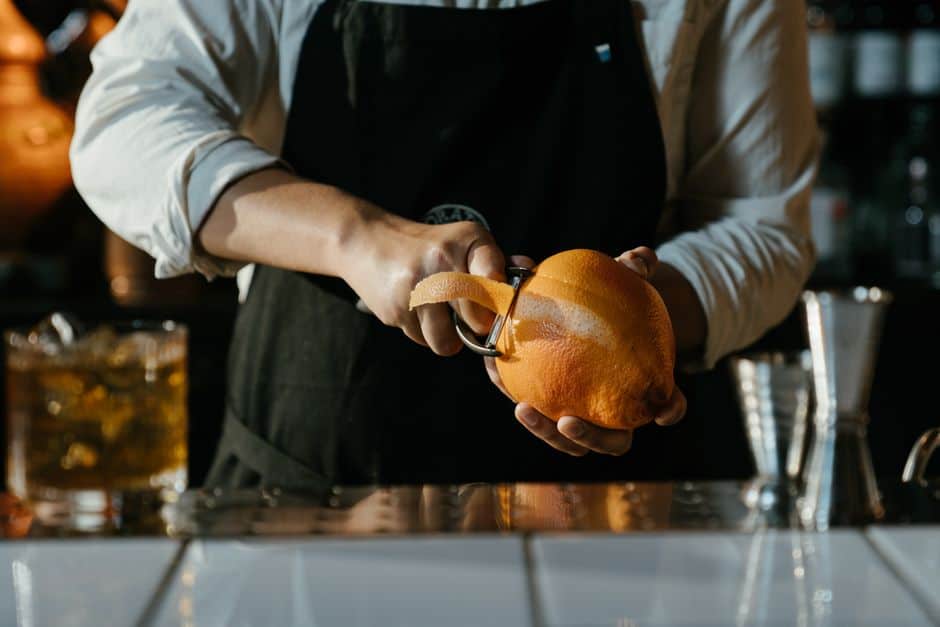
1) Build “Second-Life Citrus” Into Your Bar Program
Citrus is one of the biggest recurring bar waste streams: peels, spent halves, and juice oxidation. A second-life citrus workflow turns that cost center into signature ingredients.
- Oleo saccharum: Toss citrus peels with sugar (by weight, usually 1:1 or 2:1 peel:sugar depending on intensity), let sit 4–12 hours, then add a small amount of hot water to dissolve. Use in sours, spritzes, or as a base for house soda.
- Citrus stock: Simmer spent citrus shells (not pith-heavy) with water, a pinch of salt, and a small amount of acid (citric/malic) to create a “citrus water” that extends fresh juice in batch builds.
- Dehydrated wheels: If you already have a dehydrator, dried citrus wheels replace fresh garnish slices and cut day-of prep.
Actionable tip: Track “citrus purchased vs. citrus juiced” once a week. If your yield is inconsistent, retrain: same juicer, same fruit temp, same cut style.
2) Replace Single-Use Garnishes With “Reusable Flavor Cues”
Garnishes are often thrown away untouched. Instead of defaulting to mint bouquets and citrus wedges, shift to garnish systems that communicate aroma and style with less waste.
- Atomizers: A small spray of citrus oil tincture, absinthe rinse, or smoked-tea tincture on the glass delivers aroma without discarding a garnish.
- Standardized pick: One branded pick style across the menu reduces accidental over-garnishing and makes prep predictable.
- Edible rim salts/sugars: Batch a house rim blend (e.g., toasted sesame + salt + nori; or chile-lime sugar). It’s shelf-stable and portionable.
Real-world example: A martini program can reduce lemon twist waste by moving to a chilled lemon-oil atomizer (peel-infused neutral spirit) plus a small bowl of optional twists available by request.
3) Engineer a “Trim-to-Menu” Snack That Uses Your Kitchen’s Offcuts
Kitchen trim happens: broccoli stems, herb stems, potato ends, fish trim, and bread heels. The win is designing one bar snack that can flex with whatever your kitchen produces most reliably.
- Fryable trim: Root veg ends become chips; bread heels become croutons; tortilla scraps become strips.
- Dip of the week: Herb stems can become green goddess; roasted veg trim becomes smoky puree; whey can become a tangy base.
Actionable tip: Create a simple “trim log” at prep: what, how much, and which station. After 2 weeks, you’ll see patterns—and can build a consistent snack around them.
4) Batch Cocktails by “Stability Tier,” Not by Popularity
Many programs batch only their best-sellers. A smarter method: batch based on what stays good. That reduces dumped product and improves speed.
- Tier 1 (high stability): Spirit-forward (Manhattan, Negroni riffs) can batch for weeks if stored cold and sealed.
- Tier 2 (medium): Citrus-free but with vermouth/fortified wine—aim for 3–7 days depending on oxidation exposure.
- Tier 3 (low): Fresh citrus/egg/dairy—batch only base, add per-order.
Data point to watch: If a batch gets dumped weekly, it’s not a “menu problem”—it’s a batch size problem. Reduce batch volume by 30–50% and rebuild from there.
5) Install a “Two-Scale Portioning Rule” for High-Cost Ingredients
Inconsistent pours and scoops create invisible waste. The fix is simple: use two scales—one behind the bar, one on the line—specifically for high-cost items.
- Bar scale targets: espresso for espresso martinis, syrups, specialty liqueurs, clarified juices.
- Kitchen scale targets: proteins, cheese, premium toppings, and fries (yes—fries).
Actionable tip: Create a one-page “portion card” with grams/ounces for the top 10 most expensive ingredients. Train everyone for 10 minutes pre-shift for a week. Portion creep drops fast when targets are visible.
6) Turn Stale Beer, Flat Sparkling, and “By-the-Glass” Wine Into Cooking and Syrups
End-of-keg lines, wine dregs, and partially used bottles happen in real service. Instead of draining them, route them into controlled secondary uses.
- Beer: Beer mustard, beer batter, beer caramel (great for dessert cocktails).
- Sparkling: Reduce into a syrup with sugar and citrus peel; use for spritz builds or brunch cocktails.
- Wine: Wine reductions for sauces; sangria base; wine vinegar (small batch in-house if you can commit to the process).
Practical control: Label a “secondary use” cambro/bottle for each category and set a maximum hold time (e.g., 48 hours) so it doesn’t become a science project.
7) Run “Micro-86 Boards” So Staff Stops Over-Prepping
Waste often spikes because prep doesn’t adapt to real-time sales. A micro-86 board is a simple whiteboard or POS note that signals when to pause prep on items that are already ahead of pace.
- Example: If you prepped 60 portions of a garnish and sold only 10 by mid-shift, call a micro-86: “STOP prepping garnish X until 8pm.”
- Benefit: You reduce end-of-night dump decisions and keep prep aligned to demand.
Actionable tip: Assign a manager or lead bartender to make two calls per shift: one “pause prep” and one “push item” (a server feature or bartender callout) to balance inventory.
8) Use “Cross-Utilization With a Twist”: One Base, Three Formats
Cross-utilization is common, but it can get boring. The trick is to reuse an ingredient across different formats so guests don’t feel repetition while you reduce SKUs.
- Example base: Roasted pineapple.
- Format 1 (bar): Pineapple cordial for a highball.
- Format 2 (kitchen): Pineapple salsa for a fish taco special.
- Format 3 (dessert/brunch): Pineapple compote for yogurt parfait or pancakes.
Actionable tip: Pick one “Base of the Month” and require each department to use it once. This is a fun internal challenge that also lowers waste and purchasing complexity.
9) Normalize Half-Pours and “Snack Flights” to Reduce Plate Waste
Guests increasingly want variety and moderation. Offering structured smaller options can cut plate returns while increasing check averages.
- Half-pour wine/beer: Sell a 3–4 oz wine option or 8 oz beer option at a fair margin.
- Snack flights: Three smaller snacks rather than one big app that comes back half-eaten.
Real-world example: A “3-dip flight” (served with controlled bread portions) often reduces bread waste while increasing add-ons (extra dip, extra bread) that guests actually want.
10) Make One “Staff Meal Cocktail” Policy: Weekly R&D With Strict Inventory Rules
Staff creativity can either cause waste (random experiments) or prevent it (smart repurposing). Formalize R&D so it’s useful.
- Set a weekly window: 30 minutes, one day, pre-service.
- Use only at-risk items: Fruit nearing the end, open fortified wine, excess herbs.
- Record winners: Keep a shared doc with recipe, cost estimate, and notes.
Actionable tip: If a drink uses at-risk inventory, consider it for a “bartender’s feature” with a time limit. Limited-time framing moves product before it dies on the shelf.
11) Audit Your Waste Like a Journalist: One Weekly “Trash Talk” Walkthrough
Operators who reduce waste fastest treat it like a reporting beat: what happened, why, and what changes next week. A 15-minute weekly walkthrough can reveal more than a monthly inventory count.
- Look for patterns: Over-prepped garnishes, returned sides, broken glassware, spoiled produce.
- Ask “why” five times: Waste is often a process issue (station setup, training, unclear spec), not a people issue.
- Document one change: Only one. Too many changes at once make results impossible to measure.
For broader context on how restaurants are adapting operations—pricing, staffing, and supply realities—reading coverage from a large newsroom can be useful. A starting point is The New York Times’ restaurant and food reporting, which often highlights the economic pressures that make waste reduction more urgent.
Conclusion: Waste Reduction That Guests Actually Feel as “Better Service”
The most effective low-waste programs don’t look like virtue signaling. They show up as faster tickets, cleaner flavors, consistent pours, and a menu that feels intentional. Pick two ideas from this list, set a simple metric (dumped product per week, garnish prep time, comp count, or citrus spend), and run a 14-day test. If the numbers improve, standardize it; if not, adjust and try the next move.
In a tight-margin industry, cutting waste is one of the rare wins that improves both profitability and guest experience—without asking anyone to sacrifice quality.