
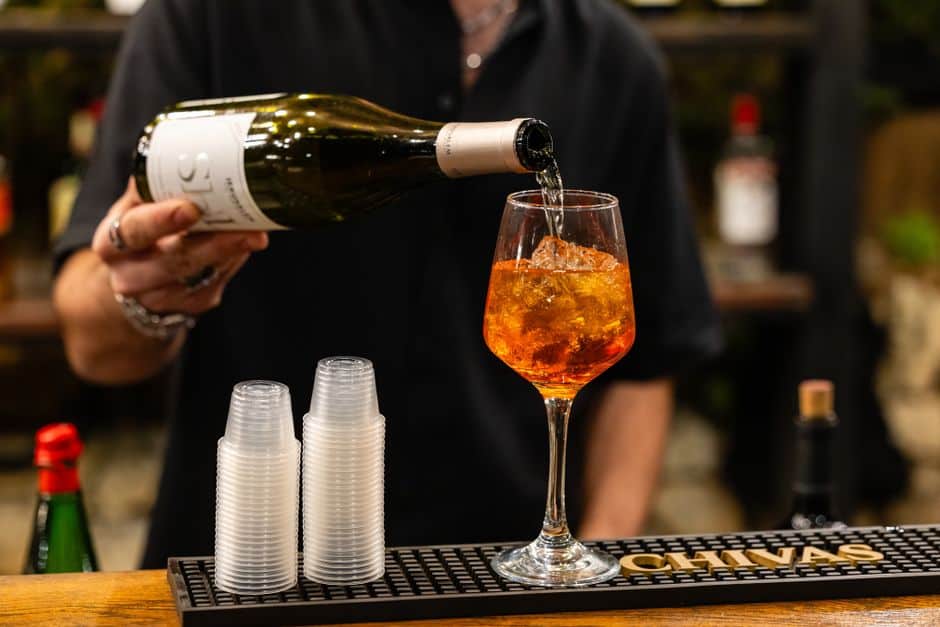
Why “Low-ABV Night” Is a Smart, Specific Move for Bars Right Now
People still want to go out, celebrate, and socialize—yet many guests are looking for ways to drink a bit less without feeling like they’re stuck with soda water. A “Low-ABV Night” (a scheduled evening featuring cocktails, spritzes, and pairings that stay around 0.5%–8% ABV) is a creative way to capture that demand while protecting your margins and your vibe.
This guide shows you how to design a Low-ABV Night that feels intentional (not restrictive), moves inventory intelligently, and gives your staff a script they can sell confidently. You’ll get practical templates, pricing logic, and a few real-world examples you can steal and adapt for Black Shag.
Trend-wise, the “drink less, drink better” shift isn’t just a social media moment. Major outlets regularly track changes in consumer spending, nightlife, and beverage trends—keeping an eye on credible reporting (for example, Reuters coverage of consumer and beverage industry shifts) can help you pressure-test your menu ideas against what’s happening beyond your neighborhood.
Step-by-Step: Launch a Low-ABV Night That Actually Sells
1) Pick a clear goal (and one metric you’ll track)
Before you design a single drink, decide what “success” means. Low-ABV Night can solve different problems:
- Increase early-week traffic: Turn a slow Tuesday into a reason to show up.
- Raise check averages: Low-ABV drinks can still be premium—especially with pairings.
- Reduce over-intoxication incidents: A safer room tends to be a happier room.
- Move specific inventory: Fortified wines, aperitifs, or vermouth that aren’t turning.
Pick one KPI: total covers between 6–9 pm, average drink count per guest, beverage COGS, or total bar revenue vs. the same night last month. One KPI keeps the team aligned.
2) Set your Low-ABV definition (and write it into the menu)
“Low-ABV” can get fuzzy fast. Make it easy:
- House definition: “All featured cocktails are under 8% ABV.”
- Optional tier: Add “ultra-low” options under 3% ABV for guests who want a gentler start.
- Menu transparency: List approximate ABV ranges (e.g., 5–7%). Guests love clarity.
Actionable tip: If you don’t have lab equipment, estimate ABV by using known ABV of components and dilution assumptions. Keep the language as “approximate” to stay honest.
3) Design the menu around three pillars: Spritz, Sour, and Stirred
A Low-ABV Night falls flat when it feels like all the drinks are the same. Build variety using a simple structure:
- Spritz (bright, bubbly, sessionable): Aperitif + sparkling + citrus or fruit.
- Sour (tart, aromatic, food-friendly): Fortified wine base, acid, and a flavorful modifier.
- Stirred (spirit-like, but not spirit-heavy): Vermouth-forward, amaro-led, or sherry-based.
Real-world example set (you can adapt):
- House Sherry Spritz (approx. 4–6% ABV): Fino sherry, lemon, simple, soda, grapefruit peel.
- Vermouth Sour (approx. 6–8% ABV): Sweet vermouth, lemon, honey syrup, egg white (optional), orange bitters.
- Amaro & Tonic (approx. 5–7% ABV): A medium-proof amaro, tonic, herb garnish, pinch of salt.
That’s a full “flight” of styles without ever leaning on high-proof spirits.
4) Build two “bridge” drinks for guests who normally order strong cocktails
Some guests equate value with booze. Bridge drinks keep them engaged while still meeting your Low-ABV promise.
- The Familiar Twist: A low-ABV version of something popular (e.g., “Low-ABV Negroni-ish” with vermouth + amaro + soda, served over a big cube).
- The Luxury Pour: A smaller, premium serve (e.g., 3.5 oz sherry cobbler with beautiful crushed ice and seasonal fruit). It feels special, not watered down.
Staff line that works: “It drinks like a real cocktail—just lighter. You can have two and still feel great.”
5) Engineer pricing using perceived value, not alcohol content
Low-ABV cocktails shouldn’t automatically be cheap. Price based on:
- Complexity: House syrups, garnishes, carbonation steps.
- Premium modifiers: High-quality vermouths, amaros, sherries, specialty tonics.
- Glassware and presentation: Spritzes in proper stemware, cobblers with crushed ice, etc.
Actionable pricing approach: Create a tight band (e.g., $10–$14) and use one “hero” drink at the top end. Guests accept premium pricing when there’s a clear centerpiece.
6) Pair the drinks with two salty, high-margin snacks (and name them together)
The secret weapon of Low-ABV Night is food attachment. Light drinks shine with salty bites, and salty bites sell more drinks.
- Snack idea #1: Spiced nuts or crispy chickpeas (low labor, high margin, batchable).
- Snack idea #2: Tinned fish board or marinated olives + bread (fast pickup, premium feel).
Make it frictionless: Name pairings directly on the menu: “Sherry Spritz + Citrus Olives” or “Amaro & Tonic + Smoked Almonds.” If guests have to think, they skip.
7) Prep for speed: batch, carbonate, and standardize garnishes
Low-ABV menus often include bubbles, chilled fortified wines, and fresh citrus—which can slow service if you’re not ready.
- Batch base mixes: Pre-combine vermouth + amaro + syrup in labeled bottles. Add citrus to order if needed.
- Pre-chill everything: Vermouth and aperitifs taste sharper and need less ice dilution when cold.
- Standardize garnishes: Pick 2–3 garnishes total (e.g., orange peel, lemon wheel, herb sprig). Prep them once.
- Carbonation plan: If you don’t have a soda gun, stock consistent bottled soda/sparkling to keep flavor predictable.
Data point to aim for: If your average ticket time is 4–6 minutes for cocktails on busy nights, your Low-ABV drinks should match or beat that. Fast rounds are what turn a themed night into real revenue.
8) Write a one-minute staff script and run a 15-minute tasting
A Low-ABV Night fails when staff present it apologetically. Give them confident language:
- The opener: “Tonight is Low-ABV Night—cocktails designed to keep it lively without hitting you too hard.”
- The recommendation question: “Do you want bright and bubbly, tart and citrusy, or something stirred and herbal?”
- The upsell: “Want the pairing snack? It’s made for this drink.”
Do a quick pre-shift: taste each drink, identify the best guest type for it, and agree on the top-selling “default recommendation.”
9) Create a “mini ritual” so it feels like an event, not a discount
Guests show up for experiences. Add one ritual that costs little but signals intention:
- Stamped menu card (one color, one logo, one tagline).
- Flight option (three half-size pours) for groups who can’t decide.
- A first-round feature (a welcome spritz with a tiny garnish flourish) for the first 20 guests.
Keep it classy: This is about vibe and hospitality, not gimmicks.
10) Promote with specificity: “who it’s for” and “when it’s best”
Generic promo doesn’t move people. Use targeted language:
- For the next-day crowd: “Great drinks, clearer head tomorrow.”
- For groups: “Easy-drinking cocktails made for long conversations.”
- For industry folks: “Come decompress without getting wrecked.”
Timing tip: If you want earlier traffic, promote a “golden window” (e.g., 6–8 pm). If you want steadier all-night sales, avoid hard discounts and push pairings instead.
11) Track results for two weeks, then tighten the menu
Run Low-ABV Night at least twice before changing everything. After two events, review:
- Top seller: Keep it, and consider a permanent slot on your regular menu.
- Slow mover: Is it the name, the flavor, or the presentation? Rename before you kill it.
- Food attachment rate: If it’s under 20%, your pairings need clearer calls-to-action.
- Guest feedback: Listen for “I could drink this all night” (a good sign) versus “I wish it was stronger” (a bridging issue).
Practical adjustment: Replace only one drink at a time. Guests like returning to favorites.
Conclusion: Make Low-ABV Night a Signature, Not a Side Project
A successful Low-ABV Night doesn’t feel like compromise—it feels like a curated, modern way to enjoy a bar. When you define your ABV promise, design variety (spritz/sour/stirred), support it with pairings, and train staff with a simple script, you create an event guests can say “yes” to more often.
Start small: 5–7 drinks, 2 snacks, one KPI. Run it twice, learn fast, then lock in what sells. Done well, Low-ABV Night becomes a repeatable engine for weeknight traffic, better hospitality, and healthier long-term regulars—exactly the kind of win that builds a bar’s reputation.