
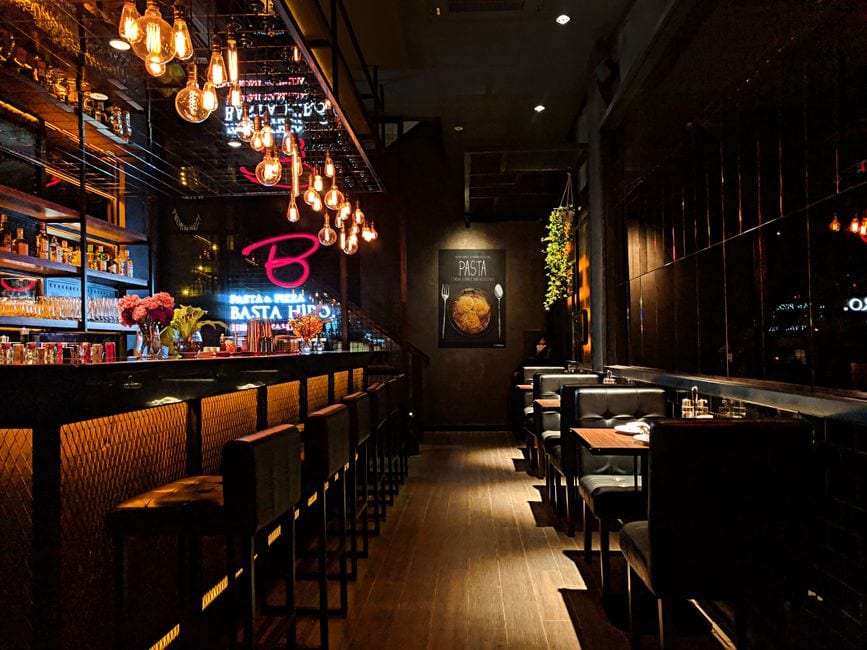
Late night is having a moment again—but it’s not the same old “kitchen closes at 10” story. In a lot of cities, the modern second seating (roughly 9:30pm to midnight) is being fueled by flexible work schedules, concert nights, shorter early dinner reservations, and customers who want a real bite with their last round. The catch? Most bars and restaurants don’t want to staff a full dinner menu until 1am. Fair.
The good news: you don’t need a full kitchen reboot to own late night. You need a smart, profitable “night menu” strategy that matches what people actually order at that hour—plus a service rhythm that doesn’t wreck your team. Here’s how to build it, test it, and make it feel like a vibe (not an afterthought).
Why “second seating” is different (and why it can be more profitable)
Late-night guests often come with a different mindset than early diners:
- They’re more beverage-forward. People arriving after 9:30pm are usually there for drinks first, food second—so your menu should support drink sales, not compete with them.
- They order faster and share more. Think snackable, passable, low-commitment plates. Fewer multi-course experiences, more “one more thing.”
- They tolerate (and even enjoy) constraints. A tight late-night menu reads as curated, not limited—if you present it right.
In practical terms, this can boost margins. A smaller menu means less waste and tighter prep. And because alcohol remains the anchor, the food’s job is to keep people in seats and ordering rounds.
Step 1: Build a late-night menu that’s engineered for speed and margin
The goal: food that’s craveable, consistent at 11:45pm, and easy to execute with a reduced crew. Use these design rules.
1) Pick “one-station winners”
Late night collapses when food requires multiple stations and lots of hands. Choose items that can be executed primarily from one area—like fry station, flat-top, or oven.
- Fry station: kettle chips with dip flights, spiced fries, crispy cauliflower, wings, tempura green beans
- Flat-top: smash sliders, quesadillas, griddled hot dogs, kimchi fried rice cakes
- Oven: personal flatbreads, baked feta with bread, loaded nachos
Tip: If your kitchen is weak late night, make the fryer your hero. It’s fast, forgiving, and doesn’t require delicate timing.
2) Use modular ingredients to create variety without new prep
Think Lego bricks. One protein, one sauce, one crunch, one base—mixed into different formats.
- Same short rib becomes: short rib grilled cheese, short rib fries, short rib tacos
- Same spicy mayo becomes: dip for fries, drizzle for sliders, sauce for “snack bowl”
- Same pickles/slaw become: garnish across three items
This keeps your inventory lean and makes it easier to “sell through” leftovers from dinner service.
3) Anchor the menu with a signature “only at night” item
Late-night regulars love a ritual. Give them one thing they can’t get at 7pm.
- Example: a “Midnight Burger” with a specific bun, sauce, and pickle combo that only runs after 9:30pm
- Example: a rotating “After Hours Dumpling” (same wrapper, different fillings weekly)
The point is psychological: it makes the second seating feel intentional, not like scraps from dinner.
4) Put guardrails on food cost (without being boring)
If you’re aiming for a tight late-night menu, a solid target is keeping food cost in a predictable band—many operators try to land around 25–32% depending on concept, rent, and labor reality. The best way to protect margin late night is portion control plus ingredient overlap.
Quick math you can use tonight: If your late-night crowd averages two drinks and one shared snack, that snack should be priced to feel like an easy “yes” while still covering labor. Often that means pricing snacks in the “one round of drinks” range so the table doesn’t hesitate.
Step 2: Make service feel smooth with a “late-night operating mode”
Late-night success isn’t just menu—it’s choreography.
1) Create a hard menu switch time and announce it
Instead of apologizing for not having the full menu, make the transition a feature:
- “Late Night Menu starts at 10pm.”
- “Kitchen goes into After Hours mode at 9:30pm.”
That clarity reduces negotiation at the host stand and keeps your kitchen from getting ambushed by one-off requests.
2) Staff for speed, not perfection
Late-night guests value quick, friendly service more than intricate table touches. Consider:
- One strong closer in the kitchen + one support person for plating and dish flow
- Server sections that shrink so nobody is running a marathon
- Bar-first ordering for late arrivals, then table service if they settle in
Actionable move: Run a 2-week experiment where late-night tickets only print to one station printer. If it improves ticket times, keep it.
3) Offer “fast lanes” for common late-night orders
Bundle what people already do:
- Boilermaker + snack combo (beer + shot + fries)
- Two-martini set with a salty bar bite
- Mocktail + dessert bite for non-drinkers and designated drivers
This isn’t just upselling—it’s reducing decision fatigue at 11:30pm.
Step 3: Use late-night-friendly marketing (without turning into a nightclub)
Late-night marketing works best when it’s specific. “Open late” is vague. “Burger window 10–12” is a plan.
1) Promote a weekly micro-event that doesn’t require a full event budget
- Vinyl Night (staff or guest DJs spinning records quietly)
- Industry Toast (a set menu item + a simple shot/beer special for hospitality workers)
- Late-Night Sandwich Drop (limited quantity, same time every week)
People show up for repetition. If it happens every Thursday, it becomes a habit.
2) Lean into the “third place” mood
Not everyone wants bottle service energy. Many guests want a place to decompress that isn’t home or work. If you can create that atmosphere—low lighting, a little music, staff who feel un-rushed—you’ll attract the folks who stay for one more drink.
Broader dining behavior is changing too, with major publications tracking how restaurant habits evolve alongside cost, labor, and lifestyle shifts. For a big-picture read on how Americans are thinking about eating out right now, The New York Times restaurant coverage is a useful pulse-check.
Real-world late-night plays you can steal (and adapt)
You don’t need to copy a famous brand to borrow a winning pattern. Here are a few “stealable” formats that work across concepts:
- The “Kitchen Light” Menu: 6 items, all built from dinner mise en place. Example lineup: fries + dip, wings, slider, flatbread, chopped salad, dessert bite. It feels like a full offering without full labor.
- The “One Pan Wonder”: a rotating cast-iron dish that changes toppings weekly (nachos, skillet cornbread, baked pasta). It’s easy to batch and easy to photograph for socials.
- The “High-Low Pairing Board”: a snack board that pairs a premium item with a cheap favorite (nice cheese + fancy mustard + potato chips). Guests feel like they’re treating themselves, but your cost stays controlled.
Common mistakes that kill late-night momentum
- Too many menu items. Late night punishes complexity. A 20-item menu is basically a dare.
- Not adjusting lighting and music. If the room still feels like 6pm dinner service, you won’t capture the after-hours crowd.
- Letting “last call” feel hostile. Clear communication beats surprise cutoffs. A calm “last food order in 10 minutes” goes a long way.
- Ignoring non-drinkers. A strong zero-proof option + a small sweet/salty bite keeps mixed groups around longer.
How to test your late-night concept in 14 days
If you’re unsure whether your neighborhood will bite, don’t overbuild. Run a quick experiment.
- Days 1–3: Pick 6 menu items. Confirm they share ingredients and rely on one main station.
- Days 4–7: Soft launch with minimal promotion. Track ticket times, comps, waste, and which items sell after 11pm.
- Days 8–10: Add one signature “night-only” item. Make one simple combo deal (drink + snack).
- Days 11–14: Promote one repeatable micro-event (“Late Bites: 10–12 Friday”). Compare sales to the prior week.
What to measure: average check after 10pm, drink-to-food ratio, item-level contribution margin, and how many tables order a second round after food lands.
Conclusion: Late night doesn’t need to be chaotic to be profitable
The second seating comeback isn’t about staying open later just to say you’re open. It’s about building a late-night identity that’s easier to run than dinner service, more profitable than a slow weekday, and genuinely fun for guests.
Keep the menu tight, make one “night-only” item a tradition, engineer service for speed, and market something specific people can remember. If you do it right, late night becomes the shift that pays for itself—and the reason people start thinking of your spot as their default after-hours home base.