
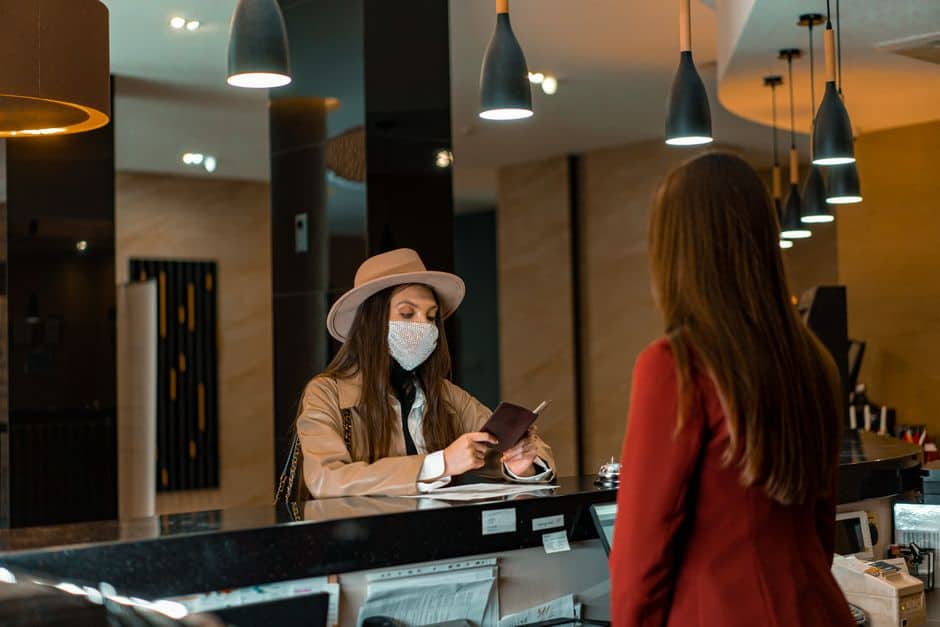
There’s a quiet shift happening in hospitality, and it’s not about AI concierges or fancy lobby scents. It’s about something simpler: a growing slice of guests want excellent service… without the social performance. Think: smooth check-in, clear communication, quick solutions, and zero forced chit-chat.
Call it “silent service,” “low-contact hospitality,” or “no-small-talk mode.” However you label it, it’s showing up everywhere—from hotels offering mobile keys and text-based concierge to cocktail bars that post “no conversation necessary” seating notes. The best part: doing this well can actually raise guest satisfaction because it reduces friction and respects different comfort levels.
This post breaks down how to build a “silent service” layer into your operation without making your property feel robotic. You’ll get practical scripts, workflow tweaks, real-world examples, and a few measurable ways to know if it’s working.
What “Silent Service” Really Means (and What It Doesn’t)
Silent service isn’t ignoring guests. It’s the ability to deliver warm, high-quality hospitality with minimal verbal interaction unless the guest invites more.
It’s:
- Opt-in conversation instead of default small talk.
- Clarity over charm: simple, well-timed information beats a long speech.
- Predictability: fewer surprises, fewer interruptions, fewer awkward moments.
- Channels that fit modern behavior: text, QR, in-app, quick signage.
It’s not:
- Cold service or “read the policy” energy.
- Cutting staff to the bone and calling it innovation.
- Forcing everyone into self-service (that’s how you lose older guests, luxury travelers, and anyone who just had a brutal flight).
Why This Trend Is Accelerating
Three forces are pushing silent service into the mainstream:
1) Guests are tired (and overstimulated)
After long travel days, many guests are managing luggage, notifications, kids, nerves, or sensory overload. A tight, low-effort experience is a relief. When “welcome” comes as a 45-second script plus an upsell pitch, it can feel like work.
2) Digital-first behavior is now normal
People order food, handle banking, and book travel through screens. Hospitality is catching up. Digital check-in and messaging can reduce line congestion and let guests control their own pace.
3) The “social battery” factor is real
Introversion is only part of it—plenty of extroverts still want silence at certain times. If your service style assumes every guest wants banter, you’ll miss the mark for a lot of people.
On the cultural side, major publications have been tracking how personal boundaries and social habits are changing, including shifting norms around conversation and etiquette. For a broader read on changing social behavior, The New York Times’ coverage on modern social norms is a useful reference point for operators trying to understand guest expectations.
The Business Case: Silent Service Can Improve Ratings and Reduce Costs
Done right, silent service helps you in three measurable ways:
- Shorter service times: fewer long interactions at the desk or bar means faster throughput.
- Fewer complaints caused by miscommunication: guests get written confirmation (texts, QR pages, digital receipts).
- More consistent experiences: staff aren’t relying on “vibes” to decide what to say; the system supports them.
A very practical example: if you shave even 60–90 seconds off average check-in time during peak arrival, the line shrink is noticeable. Multiply that by 40 arrivals in a surge, and you’ve just “created” almost an hour of front-desk capacity without hiring anyone.
How to Offer Silent Service Without Feeling Like a Vending Machine
The trick is building choice into the experience. Silent service works best as a layer guests can opt into—while your team stays ready for full-service hospitality when it’s wanted.
1) Add a “Conversation Preference” option (subtle, not cringe)
Where to place it:
- During online check-in (“Interaction preference: Minimal / Standard / Chatty”)
- At kiosk check-in (one-tap selection)
- In bar or café ordering (small card or QR question)
Keep the labels simple. “Minimal / Standard / Social” works. Avoid therapy-speak.
2) Replace long scripts with micro-confirmations
Instead of a full welcome monologue, train staff to use short, high-clarity lines:
- Hotel front desk: “Welcome. ID and card, please. You’re in 1208. Elevators are left. Need anything before you head up?”
- Bar: “You can order at the bar or by QR. Want recommendations or do you already know what you like?”
- Restaurant host: “Two tonight? Follow me. Would you prefer a quieter table or near the energy?”
These lines give guests an exit ramp from conversation while still feeling cared for.
3) Design for “no questions required”
Silent service collapses when guests have to ask for basic info. Make key details self-evident:
- Wi-Fi name/password displayed clearly in room and in pre-arrival message
- Breakfast hours in two places: elevator signage + digital guide
- Checkout instructions and late checkout pricing in writing
- Room service/amenities QR that loads fast and doesn’t require an app install
Tip: Audit your top 20 questions at the desk/bar. If 60% are “what time is…”, your signage and pre-arrival comms are doing the wrong job.
4) Use text messaging like a concierge, not a call center
Text-based service is a natural fit for silent service—when it’s done with restraint.
- Send one pre-arrival text with essentials (parking, check-in time, how to request early check-in).
- Send one post-check-in message: “All set in your room? Reply here if you need anything.”
- Don’t spam upgrades every day. Quiet guests hate that.
Also, have templates ready for common requests (extra towels, late checkout, maintenance) so responses are fast and consistent.
5) Train staff to read the room (and give people an escape hatch)
Silent service isn’t only tech. It’s emotional intelligence plus permission to keep interactions brief.
Train for these cues:
- Short answers, no follow-up questions
- Headphones in, eyes down, phone-focused
- Fast walking pace, scanning for elevator/exit
Give staff a polite “wrap-up” phrase:
- “Perfect—I’ll let you get settled. Message us anytime.”
- “Got it. I’ll bring that right over and won’t disturb you.”
Real-World Examples You Can Borrow (Even If You’re Not a Big Brand)
Example A: The “Quiet Check-In” lane
A boutique hotel can create a small sign at the front desk: “Prefer a quick check-in? We’ve got you.” Guests self-select. Staff follows a short checklist: verify ID, payment, provide key, point, done.
Example B: Bar seating zones
A neighborhood cocktail bar can subtly zone the room:
- Conversation seating near the bar
- Low-interaction seating along a wall with QR ordering
This doesn’t kill vibe—it organizes it. Many guests will appreciate having a choice.
Example C: Housekeeping “do not disturb, but…” options
Instead of a binary DND sign, offer 3 options:
- Do not disturb
- Fresh towels only (leave at door)
- Full service (knock)
It reduces awkward encounters while still maintaining room standards.
Actionable Implementation Plan (7 Days, No Big Budget)
Day 1–2: Identify your top friction points
- Pull the last 50 guest messages/complaints.
- Ask staff: “What do guests ask 10 times a day?”
- Pick the top 5 issues to solve with better info and fewer steps.
Day 3–4: Create a one-page digital “Guest Quick Guide”
- Wi-Fi
- Hours (breakfast/gym/pool/bar)
- Parking
- Checkout time + late checkout
- How to request help (text/phone/front desk)
Host it on a fast-loading page. Put the QR in rooms and elevator lobbies.
Day 5: Write micro-scripts and train for 20 minutes
Make three versions: minimal, standard, and social. Staff should never feel punished for keeping it brief.
Day 6: Add one opt-in preference
If you have online check-in, add “interaction preference.” If not, add a small sign or a check-box at registration.
Day 7: Measure + adjust
- Track check-in time during peak hour.
- Track repeat questions (should drop).
- Look for review language like “easy,” “smooth,” “quick,” “no hassle.”
Common Pitfalls (So You Don’t Accidentally Make Guests Feel Unwelcome)
- Over-automating: If tech fails, guests need a human who can fix it fast.
- Confusing “quiet” with “no warmth”: A smile and clear help is still hospitality.
- Forgetting accessibility: Not everyone can scan QR codes easily. Keep a printed option available.
- Over-messaging: Text concierge is great until it becomes marketing spam.
Conclusion: Quiet Can Be a Luxury
Hospitality has always been about reading people. The “silent service” trend is just a modern version of that skill—recognizing that for many guests, the most thoughtful thing you can offer is ease, control, and a little breathing room.
If you build silent service as an option (not a mandate), you’ll serve more personalities well: the exhausted business traveler, the introverted couple on a staycation, the solo guest who just wants a clean room and a great drink without the interview.
Start small: tighten your scripts, fix the info gaps, add one preference choice, and watch how quickly “smooth and simple” turns into better reviews—and calmer shifts for your team.